
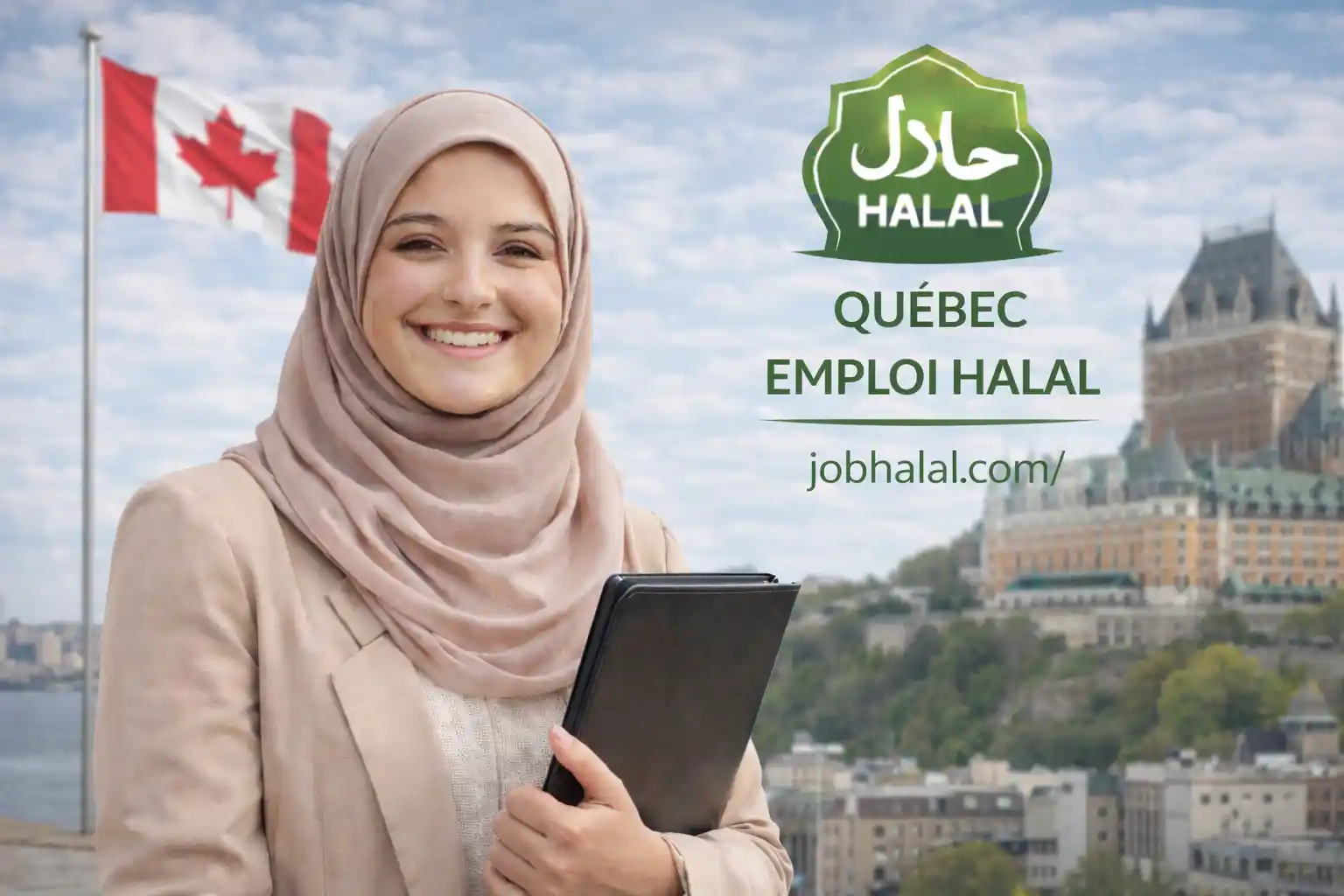
Quebec is the natural destination for French-speaking Muslims drawn to Canada. Montreal has a large community with roots in the Maghreb, West Africa, Lebanon and elsewhere, and French is the normal language of work there. There is a real need for workers in healthcare, IT, engineering and the skilled trades.
Quebec also has its own legal framework on state secularism, which directly affects certain public sector jobs. Understanding these rules, together with the steps for immigration and recognition of qualifications, saves a great deal of disappointment. English-speaking readers should bear in mind that a good command of French is essential for most jobs in the province.
A diverse, French-speaking Muslim community
Most of Quebec's Muslims live in the Montreal area, with smaller communities in Quebec City, Sherbrooke and Gatineau. Many arrived as skilled immigrants or students. Mosques, community centres, weekend schools and halal shops are plentiful in Montreal, particularly in certain neighbourhoods with a strong North African presence.
French is the official language, and the Charter of the French Language makes it the normal language of work. English remains useful, especially in Montreal and in companies that do business with the rest of Canada or the United States.
Secularism, accommodation and protection against discrimination
The Act respecting the laicity of the State
Passed in 2019, this law prohibits certain state employees in positions of authority from wearing religious symbols, notably teachers in public primary and secondary schools, police officers, judges and some government lawyers. It has been challenged in the courts. It does not apply to private companies. A woman who wears the headscarf and is considering a career in public education should therefore check the current situation carefully before committing to that path; our page on jobs for women who wear the hijab presents alternatives.
The Charter of rights and reasonable accommodation
In the private sector and in most jobs, Quebec's Charter of Human Rights and Freedoms prohibits discrimination on the basis of religion. Canadian law recognises a duty of reasonable accommodation: the employer must look for an adjustment (hours, leave, dress) unless it would cause undue hardship. Complaints can be lodged with the Commission des droits de la personne et des droits de la jeunesse. To find out more, see our page on employment law and religion.
Growth sectors
Health and social services
Nurses, patient care attendants, pharmacists and doctors are in demand. These professions are regulated by professional orders and require recognition of your skills.
Information technology
Montreal is a hub for video games, artificial intelligence and IT services. Projects vary; some studios develop games with paid chance-based mechanics, which you can assess using our guide to IT and haram activities.
Engineering, aerospace and construction
Aerospace, civil engineering and the construction trades offer stable openings, with competency cards required for several building trades.
Halal food and retail
Demand for halal in Montreal sustains butchers, grocers, restaurants and food processors. Sharia-compliant finance remains a niche in Canada, with a few alternative home financing offers.
Immigrating and getting your qualifications recognised
Quebec selects part of its economic immigrants itself: after provincial selection (the Quebec Selection Certificate), the federal government grants permanent residence. It is also possible to come on a temporary work permit, often tied to an employer, or as a student. These programmes change frequently, so consult the official websites of Quebec's immigration ministry and of Immigration, Refugees and Citizenship Canada directly.
For regulated professions, the relevant professional order assesses your training and may require placements, exams or bridging courses. For other occupations, a comparative evaluation of studies completed outside Quebec helps employers understand where your qualification stands.
Religious practice day to day
Winters are long and the days short: several prayers fall during working hours. In summer, the Ramadan fast lasts around seventeen hours. Most Montreal employers are familiar with these requests and respond with flexible breaks or partial remote working. Our page on Ramadan and working hours suggests ways of raising them.
Practical checklist
- Check whether your occupation is regulated before you even submit your immigration application.
- Adapt your CV to the North American format: two pages, with no photo or date of birth.
- Focus on networking: immigrant employment support organisations, professional associations and alumni of your school.
- Prepare concrete examples for behavioural interviews, which are very common.
- Find out about the laicity law if you are aiming for public education or certain state jobs.
- Compare with the United States if you are an English speaker and mobile.
Summary
For a French-speaking Muslim, Quebec combines a shared language, a large community and strong protection against discrimination in the private sector. State secularism restricts certain public sector jobs for people who wear a religious symbol, and recognition of qualifications requires patience. With good preparation, it remains one of the most accessible destinations in the French-speaking world.
The two reference lists
Sources and resources
- LinkedIn Jobs — Job listings and professional networking platform, useful for identifying recruiters and companies.
- International Labour Organization (ILO) — International labour standards, data and country reports on employment and non-discrimination.
- OECD – Employment — OECD analysis and statistics on labour markets and labour migration.